Making choices and decisions is important to all people during ‘end of life’ including those with a learning disability. Discussing and planning a person’s wants and wishes is important throughout their life. This is often forgotten once a person is on the end-of-life care pathway but is vital to the person having a quality of life during this time.
What is person centred planning?
Person centred means doing things the way the person wants things to be done. Person centred planning is a way of helping people to think about what they want now and in the future. It is about supporting people to plan their life and work towards their goals. In person centred planning the person is in charge but a group of people may support the person to plan parts of their life.
Person centred planning might be able to:
- Help the person make choices about things in their life.
- Help the person tell other people about what is important to them.
What do person centred plans look like?
Person centred plans look different for every person and should be highly personalised to reflect their voice and input into any decision making. Person centred planning is not just creating a care plan. There are different types of person-centred planning.
There are several tools you can use to support someone with their person-centred end of lifecare planning. Which tool is used depends upon the person, their life and personal preferences. They all follow the below principles:
- The person is at the centre.
- Family and friends are partners in planning.
- The plan focuses on gifts and capacities and looks to the future.
- Planning builds a shared commitment to action.
- Planning is an ongoing process.
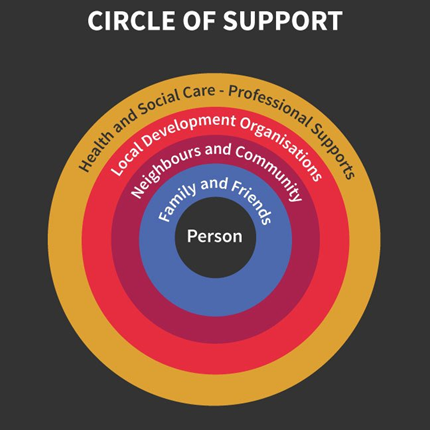
Circle of support